Ingredients That Support Mitochondrial Energy
Mitochondria are often called the energy centers of the cell because they help the body convert nutrients into usable cellular energy. Today, ingredients such as NAD+ boosters, B-complex vitamins, magnesium, and CoQ10 are becoming popular in the wellness world for healthy aging, daily energy, and metabolic support. This website explains these ingredients in simple educational language without making unrealistic anti-aging promises.
Explore Guide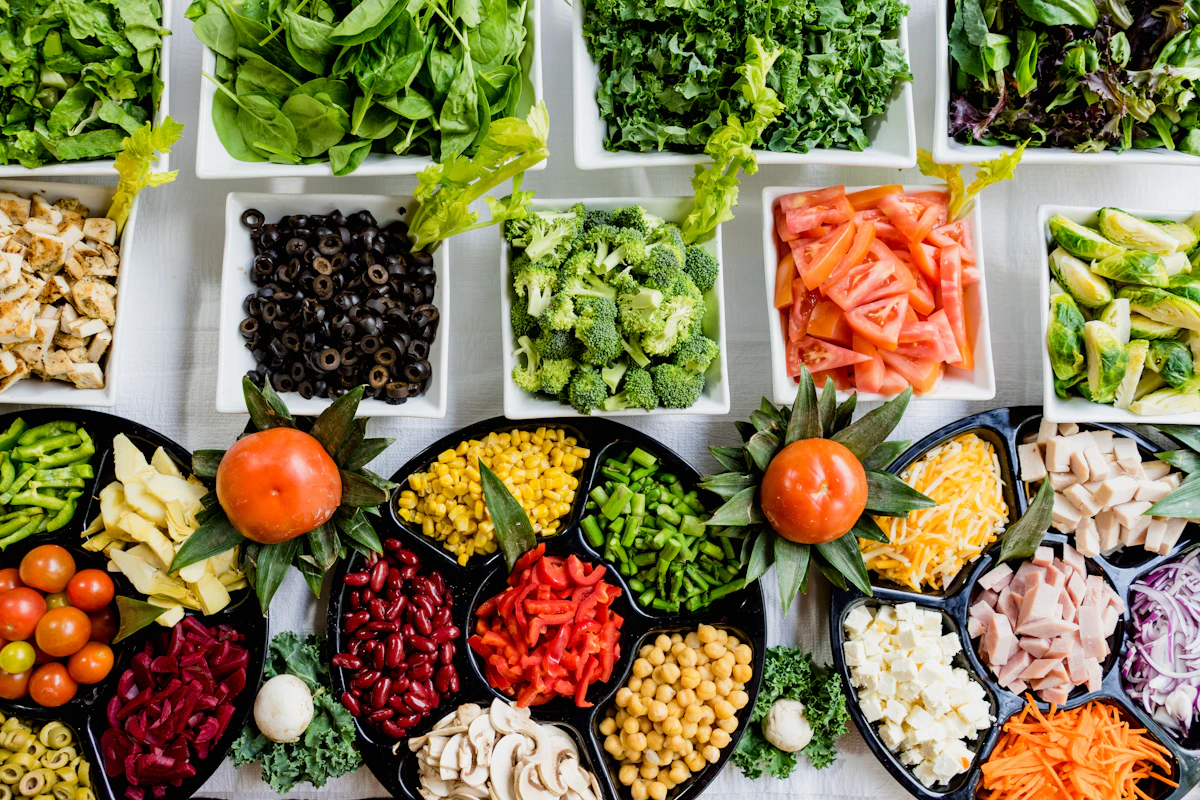
Why Mitochondrial Support Matters
Healthy energy is not only about caffeine or sugar. The body needs nutrients that help cells process food, support metabolism, and maintain normal daily function.
The body uses carbohydrates, fats, and proteins from food to create energy. This process is complex, and many vitamins, minerals, and coenzymes are involved. Mitochondria play an important role in this process because they help produce ATP, the energy molecule used by cells. When people talk about “cellular energy,” they are usually talking about how efficiently the body can use nutrients at the cell level.
Mitochondrial wellness has become a major topic in healthy aging because energy, recovery, metabolism, movement, skin vitality, and general wellness are all connected with how the body functions internally. However, no supplement can stop aging or replace sleep, exercise, hydration, and a balanced diet. Ingredients may support normal biological processes, but they should not be presented as miracle cures.
A smart mitochondrial support approach begins with food first. Whole foods provide protein, B vitamins, minerals, antioxidants, healthy fats, and fiber. Supplements may be useful for some people, especially when diet is limited or a deficiency exists, but they should be chosen carefully. Quality, dose, health conditions, and medication interactions matter.
Trending Mitochondria-Support Ingredients
These ingredients are commonly discussed in wellness, longevity, and metabolic health content. They should be explained carefully and responsibly.
NAD+ Boosters
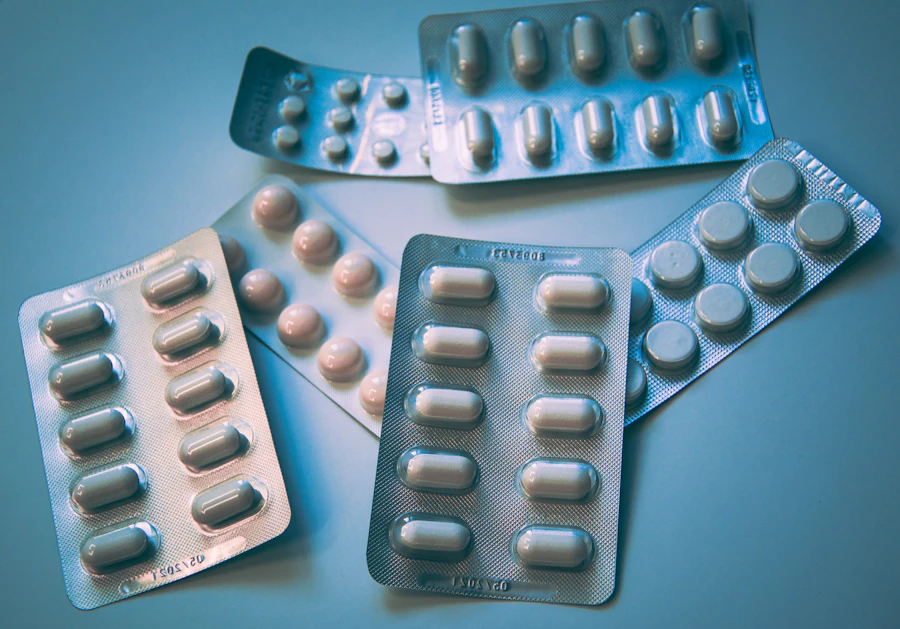
NAD+ is a coenzyme involved in energy metabolism and cellular functions. Ingredients such as niacin, nicotinamide riboside, and nicotinamide mononucleotide are often marketed as NAD+ support ingredients. Human research is still developing, so these should be described as supportive ingredients, not guaranteed anti-aging solutions.

B-Complex Vitamins
B vitamins help the body use food for energy. B1, B2, B3, B5, B6, B9, and B12 are often included in energy-support formulas. They do not create instant energy like a stimulant, but they help normal metabolic pathways work properly.

Magnesium
Magnesium is involved in many enzyme systems and is required for energy production, muscle function, nerve function, and normal body processes. Food sources include nuts, seeds, legumes, whole grains, and leafy green vegetables.

CoQ10
CoQ10 is naturally present in the body and is also sold as a supplement. It is often discussed for mitochondrial energy because it has a role in cellular energy processes. Research is mixed for many health claims, so wording should stay balanced.

Protein and Amino Acids
Protein provides amino acids that support tissue maintenance, enzymes, muscles, and recovery. A healthy aging diet should not ignore protein, especially when the goal is strength, skin support, and better daily function.

Antioxidant Nutrients
Colorful fruits and vegetables provide antioxidant nutrients that support the body against daily oxidative stress. They work best as part of a complete diet, not as a single “superfood” solution.
Food-First Mitochondrial Nutrition
A strong wellness routine should begin with daily meals, not only capsules. Whole foods provide a wider nutrition profile than isolated supplements.

Best Food Categories
- Eggs: Provide protein and several B vitamins that support normal body function.
- Fish: Offers protein and healthy fats that fit well into a balanced wellness lifestyle.
- Lentils and beans: Affordable plant foods that provide protein, fiber, minerals, and B vitamins.
- Nuts and seeds: Good sources of magnesium, healthy fats, and minerals for daily nourishment.
- Whole grains: Oats, brown rice, barley, and whole wheat can provide steady energy and B vitamins.
- Leafy greens: Spinach, lettuce, and other greens support micronutrient intake.
- Colorful fruits: Berries, oranges, apples, and pomegranates add antioxidants and hydration support.
B Vitamins and Energy Support
B vitamins are popular in energy formulas, but they should be understood correctly.
B vitamins do not work like coffee. They are not stimulants that force the body to feel awake instantly. Instead, they help normal metabolic processes that allow the body to use nutrients. If someone is deficient in a B vitamin, correcting that deficiency may improve normal function. But taking very high doses without need does not automatically create better health.
Vitamin B1, also called thiamin, helps the body turn food into energy. Vitamin B2, also called riboflavin, is part of coenzymes involved in energy production and cellular function. Vitamin B3, also called niacin, is converted into NAD and NADP, which are important for many reactions in the body. Vitamin B12 supports red blood cell formation, DNA synthesis, and nervous system function.
A B-complex supplement may look attractive because it combines several B vitamins in one product. However, the better strategy is to check diet quality first. People who eat very limited diets, older adults, vegetarians, vegans, or people with absorption issues may have different needs. For personal health decisions, professional advice is safer than guessing.
Supplement Safety and Smart Use
The wellness market is full of strong claims. A responsible website should educate readers without promising medical results.
NAD+ boosters, CoQ10, magnesium, and B-complex vitamins are widely discussed, but more hype does not always mean stronger proof. Some supplements have good biological reasoning, but human results can be limited, mixed, or early. Product quality can also vary. Two products with the same ingredient name may differ in purity, dose, testing, and manufacturing standards.
People should be careful if they are pregnant, breastfeeding, taking medication, preparing for surgery, managing chronic disease, or buying supplements for children. Supplements may interact with medicines or may not be suitable for every person. A doctor, pharmacist, or qualified healthcare professional can help check safety.
The best healthy aging foundation is still simple: balanced food, enough sleep, regular movement, hydration, stress management, sunlight protection, and avoiding smoking. Supplements should support a healthy lifestyle, not replace it.
Balanced Message for Healthy Aging
Mitochondrial support is an exciting wellness topic, but it should be presented with honesty. NAD+ boosters and B vitamins may support normal cellular energy pathways, but they are not magic anti-aging cures. A food-first lifestyle, smart supplement choices, and realistic expectations create a stronger and safer wellness message.
Mitochondria Support FAQ
Simple answers to common questions about NAD+ boosters, B vitamins, and cellular energy.
What are mitochondria?
Mitochondria are parts of the cell involved in producing usable cellular energy. They help the body convert nutrients from food into energy for normal function.
Do NAD+ boosters reverse aging?
No supplement should be promoted as reversing aging. NAD+ boosters are being researched and marketed for cellular support, but human evidence is still developing. Keep claims realistic and educational.
Are B vitamins good for energy?
B vitamins support normal energy metabolism. They help the body use nutrients, but they are not the same as stimulants. If a person is deficient, correcting the deficiency may be important.
Should everyone take mitochondrial supplements?
Not necessarily. Many people can support mitochondrial health through balanced food, exercise, sleep, hydration, and stress control. Supplements should be selected carefully, especially if medication or health conditions are involved.
Comments
Post a Comment