How to Know Your Skin Type
Understanding your skin type is the first step toward building a better skincare routine. Many people buy face wash, moisturizer, serum, scrub, or sunscreen without knowing whether their skin is oily, dry, combination, sensitive, normal, or acne-prone. When the wrong product is used, the skin may feel greasy, tight, dull, irritated, or uncomfortable. This guide explains simple ways to observe your skin and choose a routine more wisely.
Start Skin Test
Why Knowing Your Skin Type Matters
Your skin type affects how your skin reacts to cleansing, moisturizing, makeup, sunscreen, weather, and active ingredients.
A skincare routine should not be copied blindly from another person. Someone with oily skin may love a gel cleanser and lightweight moisturizer, while someone with dry skin may need a creamy cleanser and richer moisturizer. Sensitive skin may react to fragrance, harsh scrubs, or strong active ingredients. Combination skin may need balance because the forehead, nose, and chin can be oily while the cheeks feel dry.
Skin type is not the same as a skin problem. Oily skin, dry skin, or sensitive skin describe how your skin generally behaves. Acne, dark spots, redness, dullness, and texture are skin concerns. A person can have oily acne-prone skin, dry sensitive skin, or combination skin with dark spots. This is why understanding both skin type and skin concern is important.
Your skin type can also change with age, weather, hormones, products, medication, diet, stress, and environment. For example, skin may feel oilier in hot weather and drier in winter. A strong acne treatment can make oily skin feel dry and sensitive. Because of this, you should observe your skin regularly instead of assuming it will always stay the same.
Simple At-Home Skin Type Test
This simple test can help you understand how your skin behaves without makeup or skincare products.

Follow These Steps
- Step 1: Wash your face with a gentle cleanser.
- Step 2: Pat your skin dry with a clean towel. Do not rub hard.
- Step 3: Wait for 45 to 60 minutes without applying moisturizer, serum, oil, sunscreen, or makeup.
- Step 4: Check your forehead, nose, cheeks, chin, and jawline in natural light.
- Step 5: Notice whether your skin feels tight, shiny, rough, comfortable, oily, or irritated.
- Step 6: Repeat the test on another day if the result is confusing, because weather and products can affect your skin.
Main Skin Types
These are the common skin types. Read each description carefully and compare it with how your skin feels after cleansing and throughout the day.
Normal Skin
Normal skin feels balanced. It is not too oily and not too dry. The skin usually feels comfortable after cleansing, has a smoother texture, and does not react easily to basic products. Normal skin still needs cleansing, moisturizer, and sunscreen. Balanced skin can become dry or irritated if harsh products are used.

Oily Skin
Oily skin looks shiny, especially on the forehead, nose, and chin. Makeup may slide off quickly, and pores may look more visible. Oily skin can also be acne-prone, but not always. The best routine usually includes a gentle cleanser, lightweight moisturizer, non-comedogenic products, and sunscreen that does not feel heavy.
Dry Skin
Dry skin may feel tight, rough, flaky, or uncomfortable. It can look dull because the skin lacks enough moisture or oil. Dry skin often needs a creamy cleanser, hydrating serum, and richer moisturizer. Avoid harsh scrubs and very strong cleansers because they can make dryness worse.
Combination Skin
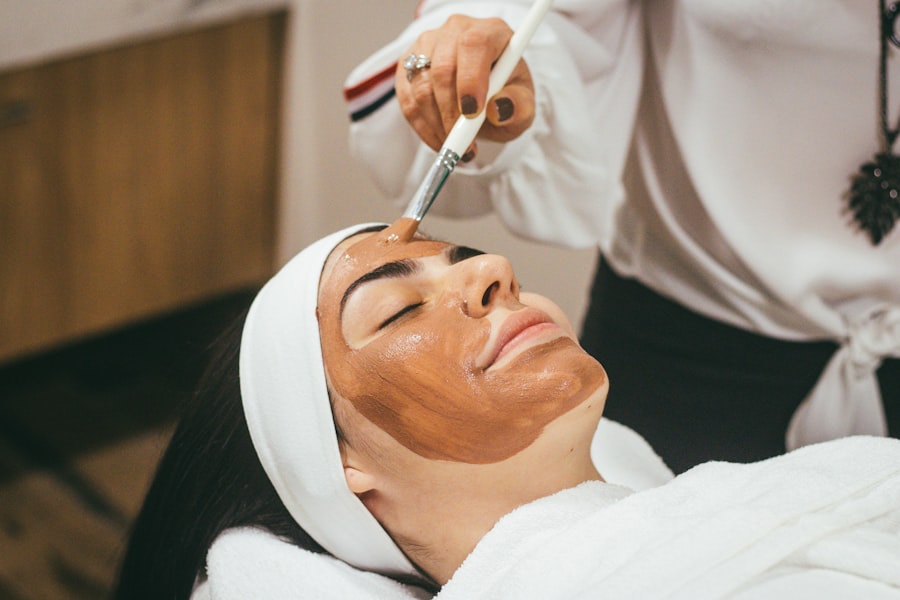
Combination skin has both oily and dry areas. The T-zone may become shiny, while cheeks may feel normal or dry. This skin type needs balance. You may use lighter products on oily areas and more moisturizing products on dry areas. Do not treat the entire face as oily if only the nose and forehead are shiny.

Sensitive Skin
Sensitive skin may sting, burn, itch, or turn red after using certain products. It can react to fragrance, alcohol-heavy formulas, strong exfoliants, harsh scrubs, or too many active ingredients. Sensitive skin needs a simple routine, patch testing, gentle products, and fewer unnecessary steps.

Acne-Prone Skin
Acne-prone skin develops pimples, blackheads, whiteheads, or clogged pores more easily. It can be oily, dry, combination, or sensitive. The mistake many people make is scrubbing acne aggressively. Acne-prone skin needs gentle cleansing, non-comedogenic products, moisturizer, and patience. Painful or severe acne should be checked by a dermatologist.
How to Choose Products by Skin Type
After identifying your skin type, choose skincare products that support your skin instead of fighting against it.
For oily skin, choose lightweight gel cleansers, oil-free moisturizers, and non-comedogenic sunscreen. Do not skip moisturizer because dehydrated oily skin can still feel uncomfortable. For dry skin, choose creamy cleansers, hydrating ingredients, and moisturizers that help reduce tightness. For sensitive skin, avoid adding too many products at once. Introduce one new product at a time so you can understand what suits your skin.
For combination skin, focus on balance. Use a gentle cleanser for the full face, then adjust moisturizer according to the area. A lighter moisturizer may suit the T-zone, while cheeks may need more hydration. For normal skin, keep the routine simple and protective. Normal skin does not need unnecessary strong treatments if there is no concern.
The basic routine for most skin types includes cleanser, moisturizer, and sunscreen. Cleanser removes oil, sweat, dirt, and makeup. Moisturizer helps support comfort and hydration. Sunscreen helps protect the skin from sun damage. Extra products like serums, exfoliants, masks, and toners should be added only when needed.
Important Reminder
Skin type testing at home can guide your skincare choices, but it cannot diagnose medical skin conditions. If your skin has severe acne, burning, swelling, painful rashes, eczema, infection, or long-lasting irritation, get advice from a qualified dermatologist. A simple routine is better than using many strong products without understanding your skin.
Skin Type FAQ
Quick answers to common questions about knowing your skin type.
Can my skin type change?
Yes. Skin can change because of weather, age, hormones, stress, skincare products, medication, and lifestyle. If your skin suddenly feels different, observe it for some time and adjust your routine gently.
Can oily skin be dehydrated?
Yes. Oily skin can still lack water. It may look shiny but feel tight or uncomfortable. This is why oily skin still needs a lightweight moisturizer.
Should sensitive skin use exfoliation?
Sensitive skin should be very careful with exfoliation. Avoid harsh scrubs and strong acids unless your skin can tolerate them. Patch testing is important.
What is the easiest routine for beginners?
Start with three basics: gentle cleanser, moisturizer, and sunscreen. Once your skin is stable, add extra products only if you have a clear reason.
Comments
Post a Comment